
NEWS | SOFTWARE | SHEET
How to Assess the Quality of Construction Work?
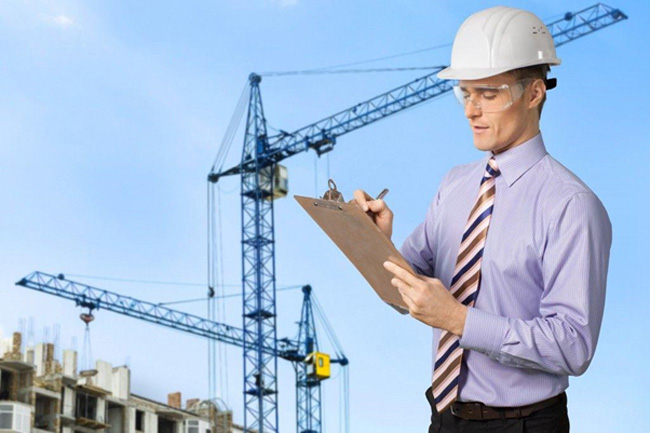
When it comes to construction, whether for residential, commercial, or industrial projects, quality is non-negotiable. A properly built building will not only lead to safety but also help in the long-term maintenance cost, property value, and give the owner peace of mind. Evaluation of the quality of construction work is imperative to guarantee that a construction project is safe, durable, and worth the money invested in the project. The result of a substandard job or poor quality material may be poor, resulting in repair expenses, safety risks, as well as a higher price of the property.
A substandard build caused by poor materials or careless workmanship can lead to major safety hazards and expensive repairs. To maintain quality and cost control, it’s crucial to evaluate every phase of the project for compliance with approved plans, building codes, and design standards. By using construction estimation services, contractors and project owners can accurately forecast costs, track material usage, and detect deviations in progress, helping ensure the project stays on budget and meets required quality standards.
1. Check for Compliance with Approved Plans & Specifications
The basis of any good construction project is planning and implementing according to approved blueprints, drawings, and specifications.
Structural Layout: Match the structural layout to the approved architectural and structural plans in terms of dimensions as well as the location of walls, beams, and columns.
Materials Used: Compare the materials used on site (like grade of cement, steel, tiles, or paint) in the contract or the bill of quantities. The use of substandard substitutes may impair durability.
Local Regulations: Municipal bylaws, building codes, and safety legislation should be adhered to in the work.
By not following the construction to the plans, safety may be lost, as well as develop legal issues in the future.
2. Evaluate the Structural Integrity
The strength of a building depends on its structural elements, and this is one of the most important aspects of construction quality.
- Foundation: Inspect the foundation to ensure there are no cracks visible, uneven settlement, or water leaking through. These are some of the alerts of poor workmanship.
- Quality: Proper curing, mix ratios, and reinforcement are critical. Concrete that is poorly mixed or undercured has undermined the foundations.
- Work in Masonry: bricks or blocks must be properly laid in an even manner with a consistent layer of mortar. Misalignment is usually a sign of haste or shoddy output.
For large-scale developments, choosing outsource estimating services enables builders to access professional cost estimators who ensure budget accuracy.
3. Inspect Workmanship in Finishes
The quality of the finish of the building, including plastering, flooring, painting, and carpentry, indicates a lot about the building work.
Plastering and Painting: The Surface should be smooth and free of cracks, and should be painted evenly. Dullness, peeling, or patchiness reflects a lack of preparation.
Flooring: The tiles need to be arranged and aligned in a neat way without having any gaps or different levels. Wooden floors need to be polished and squeak-free.
Doors and windows: Doors and windows should close and open easily. Failure to, may be considered as a red flag.
Fixtures: Electrical fittings and fixtures, plumbing, and hardware should be installed neatly and workable.
Good finishes look tidy, whilst bad work reflects a lack of care in a pleasing way, as well as causing future problems.
4. Evaluate the Materials Quality
Using substandard materials may nullify all the efforts in the whole project, despite the workmanship.
- Cement and Concrete: Check brand, manufacture date, and storage conditions. The cement needs to be new and kept in an environment that is lacking in moisture.
- Steel: Verify that reinforcement steel is certified, e.g., has been marked with a certification mark, and is rust-free.
- Bricks/Blocks: Should be similar in size, when struck, they sound and should have no cracks.
- Wood: Wood must be seasoned, have no termite attacks, and be treated to make them durable.
As a rule of thumb, ask for invoices, quality certificates, or supplier details to confirm the authenticity of materials.
5. Review Plumbing & Electrical Installations
A facade may appear to be sturdy, but a poorly built inner structure can create hassles time and again.
- Plumbing: Look at water pressure, slope of the drain, and sealing around connections. Leaks at this point can result in the growth of mold, leakage, and destruction of finishes.
- Electric Installation: Switchboards, sockets, and wires should be safely installed and tested. Any wires that are loose or bare are massive dangers.
- HVAC and Ventilation: Air-conditioning systems, ducts, ventilation fans, and natural ventilation should be well incorporated.
A well-installed system is more comfortable, safe, and efficient in its performance, whereas low-quality work may be very expensive to fix in the future.
6. Check for Water-Proofing & Damp-Proofing
The most typical cause of structural damage is water damage.
- Roofing: It is necessary to ensure that waterproofing membranes or sealants are properly applied on terraces and flat roofs.
- Bathrooms and Kitchens: Floors and walls must be made waterproof so that they do not seep into other rooms.
- Basements: Check for damp places or mold, which means there is poor waterproofing.
Testing of the waterproofing should be done before the application of the finishes because this is costly when repair is subsequently done.
7. Ensure Safety Standards are Followed
A good-quality construction emanates safety.
- Fire Safety: Check fire exits, fire extinguishers, alarms, as well as sprinklers in places of need.
- Structural Safety: Guardrails, parapet, and stairs have to be of standard height and strength to bear weight.
- Construction Site Practices: There should be scaffolding with protective gear during building, and waste during the construction should also comply with safety norms.
Adherence to safety requirements safeguards the workers at the construction site as well as the inhabitants after it is complete.
8. Look for Defects During the Snagging Process
A snagging inspection must be conducted before the possession of an already-built structure. This is a comprehensive list to detect micro but important problems like:
- Rough finishing of plastering or the patches of paint
- Broken tiles/loose fixtures.
- Doors of cabinets opening in different directions or damaged locks
- Windows that are poorly secured, leading to leakages of air or water in the window.
Addressing these issues beforehand saves money and effort later.
9. Evaluate Work Through Independent Quality Checks
In some cases, it can be important to bring in a third-party inspector or quality auditor of the building to determine quality. These experts employ such tools and techniques as:
- Concrete and steel NDT.
- Moisture meters to detect damp in hard-to-see places.
- Alignment and leveling of Laser equipment.
- Independent inspections US give you objective reports that can hold contractors accountable.
10. Assess Craftsmanship in Specialized Elements
Certain architectural elements, such as cabinetry, staircases, and custom interiors, require precise detailing and accurate cost evaluation. Through millwork estimatings, contractors and builders can determine exact material quantities, labor costs, and fabrication details to ensure every trim, molding, and cabinet is crafted according to design specifications. This process not only controls project costs but also guarantees high-quality workmanship and lasting visual appeal.
11. Long-Term Considerations
Quality does not merely mean how the building should look upon completion, but also the performance of the building. To determine this, a recipe should be used.
- Warranty/Guarantee: Ensure there is a warranty or guarantee offered on the structure, fixtures, and even plumbing.
- Maintenance Requirements: High-quality labor will not need as many repairs.
- Energy Efficiency: Good construction practices will reflect proper insulation, airtight windows, and efficient HVAC systems.
The best sign of high-quality construction is a building that stands up, is safe, and efficient many years after the structure are built.
Conclusion
Evaluation of construction work quality necessitates the employment of a combination of observation, checking, and professional evaluation. It is important to verify compliance with plans, checks on finish, plumbing, and electrical, and even long-term durability. Low-quality construction can cost less up front, but becomes costly to repair, unsafe, and causes the loss of property value later.
As a residential property owner, investor, or developer, quality construction is your paramount concern. In situations of doubt, do not think twice before involving the services of competent persons to scrutinise and certify the work. Construction is more than constructing buildings; it is about constructing trust, safety, and value that are destined to stand the test of time.
FAQs
How Can Homeowners Assess Construction Quality without Expertise?
Examine the finishing, straightness, and lack of cracks or moisture, and employ an inspector to do thorough tests.
Why Is Third-Party Inspection Important??
It provides an objective assessment and reveals any flaws, as well as confirms that they adhere to safety and quality parameters.