NEWS | SOFTWARE | SHEET
The Art and History of Spanish Tiles
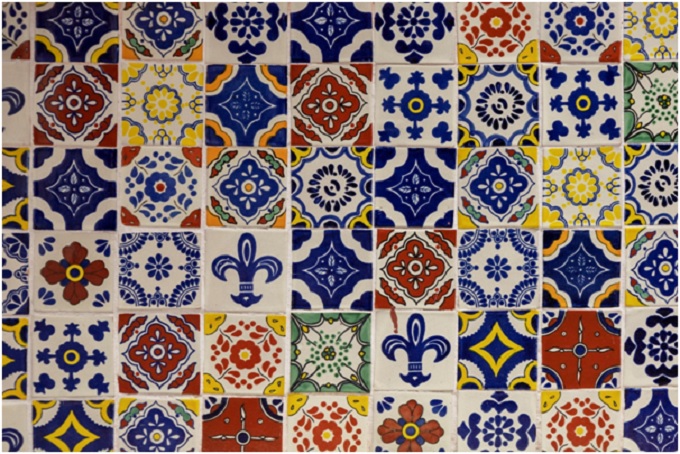
Spanish tiles are more than just designs—they are pieces of memory. Their creation goes back thousands of years, long before modern technology existed. These beautiful tiles were made in Spain for many purposes. Some were used as ceiling or roof tiles, while others were made for decorating walls, floors, fountains, and even courtyards. A spanish tile is easily recognised by its bright colours and unusual patterns, often combining shades not typically seen. The beauty of Spanish tiles lies in their unique design, quality, and cultural background.
Tile-Making in Ancient Spain
The history of Spanish tile-making started well before the Muslim rule of Spain, which began in 711 C.E. Over time, many different cultures influenced the art of tile-making in Spain. Each group of people brought its styles, tools, and knowledge, helping Spanish tile-making grow richer and more creative.
In the 15th and 16th centuries, the city of Talavera de la Reina became the centre of Spanish tile-making. This city, located in central Spain, had the perfect conditions for this craft to grow. It had many skilled artists and potters, and people from different countries settled there. Because of its importance in ceramic production, it became known as the “City of Ceramics.”
Several cultural influences came together in Talavera. People from the Netherlands brought their pottery knowledge and methods. They knew how to make a type of ceramic called Delft pottery, which had a big impact on Spanish tile-making. At the same time, Arab settlers in the city introduced their tools and designs. Islamic art, known for its geometric shapes and detailed patterns, played a major role in shaping the style of Spanish tiles. The result was a beautiful mix of styles, techniques, and traditions.
The Special Glaze: Mayólica Tiles
One of the most famous types of Spanish tiles is called Mayólica. These tiles are known for their white, glossy surface and beautiful painted designs. What makes Mayólica tiles different is the way they are glazed. The glaze is made by mixing metallic materials with glass oxides. This not only makes the tiles shiny but also very strong and long-lasting.
The glaze also gives the tiles a soft, milky-white background, which makes the colourful patterns on top stand out. The designs on these tiles often reflect Islamic influences, with repeating shapes, floral patterns, and religious themes. Because many of these tiles were made in Talavera de la Reina, some people also call them Talavera tiles.
Famous Artists in Spanish Tile-Making
Spanish tile-making was not just about creating useful materials—it was also a form of art. In fact, some tile-makers became famous artists. Two such artists from the 18th century were Clemene Collazos and Jose Mansilla. They were known for their detailed and creative tile paintings.
Jose Mansilla is especially well-known for creating a beautiful tile piece for a religious college. His artwork included images of the Virgin Mary and baby Jesus, showing how tiles were not only decorative but also deeply meaningful. People today still admire their work, and collectors even seek out tiles made by them centuries ago.
The Spread of Spanish Tiles to Mexico
Spanish tile-making did not stay only in Spain. When Spanish explorers arrived in the Americas and took control of parts of the continent, they brought their tile-making skills with them. One of the most important places where this tradition spread was the city of Puebla in Mexico.
Puebla was founded in the early 1500s, shortly after the Spanish defeated the Aztec Empire. The local people in that area already made pottery, but their techniques were different. For example, they did not use potter’s wheels or tin-glazing, which were common in Spanish tile-making.
In 1571, when a large church was being built in Puebla, Spanish tile-makers were sent from Spain to help with the construction. The builders wanted the church to have the same kind of tile art seen in European churches. These Spanish tile experts worked closely with local Mexican artisans. They taught them their techniques and also learned from the local traditions. This partnership helped create a new kind of tile-making that mixed Spanish and Mexican styles.
Mexican Ceramic Tiles
Over time, the local craftspeople in Puebla began to make their own unique tiles using what they had learned from the Spanish. These new tiles kept the beauty and shine of Spanish tiles but added local patterns, colours, and ideas. Just like in Spain, Mexican ceramic tiles were used for decoration, roofs, and ceilings.
At first, the most valuable tiles were the blue ones. That’s because blue pigments were rare and expensive. Later on, other colours like yellow, green, and mauve became popular as well. Buildings with many tiles were often owned by wealthy families or built with money from important people. The more tiles a building had, the more impressive it looked and the more it showed off the owner’s status.
Spanish Tiles Around the World
Today, Spanish tiles can be found not just in Spain or Mexico, but all over the world. Their beauty and rich history have made them a popular choice in many places. Some homeowners in cities like London buy old Spanish ceiling tiles to use when fixing up older houses. These tiles give the homes a special, vintage look.
In the United States, Spanish tiles can even be found in public spaces. For example, a pool area in New York City has colourful Spanish-style tiles, showing how far this art form has travelled. Even in places far from Spain or Mexico, people appreciate the detail and craftsmanship of these tiles.
A Lasting Legacy
The art of making Spanish tiles has survived for many centuries because it continues to inspire. The tiles are not only strong and useful but also beautiful and full of history. From the rooftops of old Spanish buildings to the walls of churches in Mexico, and even in modern homes around the world, these tiles connect us to the past.